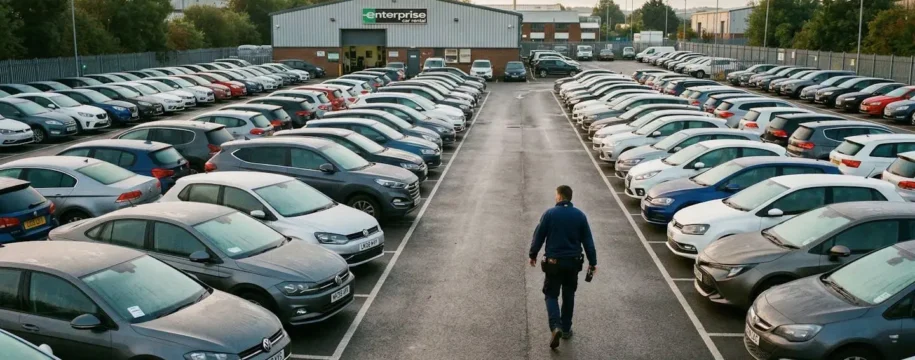
The 5 bottlenecks draining fleet profitability:
- Vehicles idle at one location while demand goes unmet elsewhere
- Manual check-in processes consuming 20+ minutes per return
- Damage fees and fuel charges falling through documentation gaps
- Maintenance surprises grounding vehicles without warning
- No visibility on which vehicles actually generate profit
According to the 2024 Fleet and Mobility Barometer findings, 91% of companies expect their fleets to remain stable or grow over the next three years. That growth ambition runs headlong into operational bottlenecks that spreadsheet-based tracking cannot detect.
What follows is a diagnostic framework—five operational blind spots that car rental software consistently exposes when operators gain granular visibility into their fleet data.
Points covered in this analysis
Asset Utilisation: Addressing Geographic Imbalances
The most frustrating bottleneck: vehicles sitting untouched at one depot while another location scrambles to meet demand. Across the UK rental sector, fleet utilisation imbalances represent one of the largest drains on potential revenue—yet operators often lack the real-time visibility to spot redistribution opportunities.
Consider a regional operator running 85 vehicles across three Midlands locations. The Birmingham depot shows availability while Nottingham turns away walk-in customers during peak periods. Both locations appear functional on spreadsheets. In reality, 12-15% of the fleet sits idle because no one sees the imbalance quickly enough to act.
The evolution of private hire services in car rentals has intensified pressure on utilisation rates. Customers expect immediate availability, and competitors with better fleet visibility capture the bookings that idle-heavy operators miss.
Return Workflows: Streamlining Check-In Efficiency
Throughput capacity during peak return windows determines the operational ceiling of a depot. Implementing a high-performance car rental management system allows for the transition from manual checklists to synchronised digital workflows. By centralising data from mobile inspection units directly into the booking engine, operators eliminate transcription errors and reduce vehicle turnaround time by 50%, ensuring assets return to the ‘available’ pool without unnecessary delay.

Photo documentation captured on tablets. Damage assessments logged instantly. Fuel readings synced automatically. What previously required 25 minutes of staff attention per vehicle drops to under 12 minutes.
Scenario: Growing hire company expanding from 30 to 80 vehicles
A family-run rental business across two depots in South-East England faced a familiar scaling problem: check-in bottlenecks manageable with 30 vehicles became unworkable at 80. Friday afternoon returns stretched to 45-minute queues. Staff overtime costs climbed. Customer complaints spiked.
Digital inspection workflows changed the equation. Photo-based vehicle assessments eliminated paperwork delays. Turnaround times dropped by 50%, allowing the same staff to process nearly double the return volume.
The hidden cost isn’t just staff hours. Every minute a vehicle sits in a return queue is a minute it isn’t generating revenue. Multiply that across peak seasons, and the cumulative opportunity cost dwarfs the price of process automation.
Revenue Integrity: Minimising Ancillary Charge Leakage
This bottleneck rarely appears in operational reports because it’s defined by what doesn’t happen. Damage charges that never reach invoices. Fuel shortfalls estimated rather than measured. Late return fees waived because no one documented the actual return time. The revenue leakage stays invisible until systematic tracking exposes the gaps.
Without timestamped photo evidence at check-out and check-in, disputes become difficult to resolve. Staff, pressed for time, round down rather than argue. The customer drives away; the revenue stays on the table.
Revenue recovery categories most frequently missed: Minor bodywork scratches documented inconsistently between check-out and return. Fuel levels estimated visually rather than recorded precisely. Late returns processed without accurate timestamps. Cleaning fees for vehicles returned in poor condition but without photographic evidence.
Operators using centralised fleet software with photo-based inspection workflows report +33% more rebilled fees compared to manual documentation systems. The difference isn’t aggressive billing—it’s capturing charges that legitimately apply but previously fell through documentation gaps.
According to latest BVRLA leasing broker sector data, the broker fleet contracted by 8.9% in 2024 amid economic uncertainty. In tighter market conditions, operators cannot afford revenue leakage that better documentation would prevent.
Fleet Availability: Managing Maintenance and Regulatory Compliance
Few bottlenecks hit harder than an unexpected breakdown. A vehicle that should be out generating revenue sits in a workshop waiting for parts. The customer who booked it scrambles for alternatives. The depot reshuffles availability. The cascade of disruption extends far beyond the single repair bill.
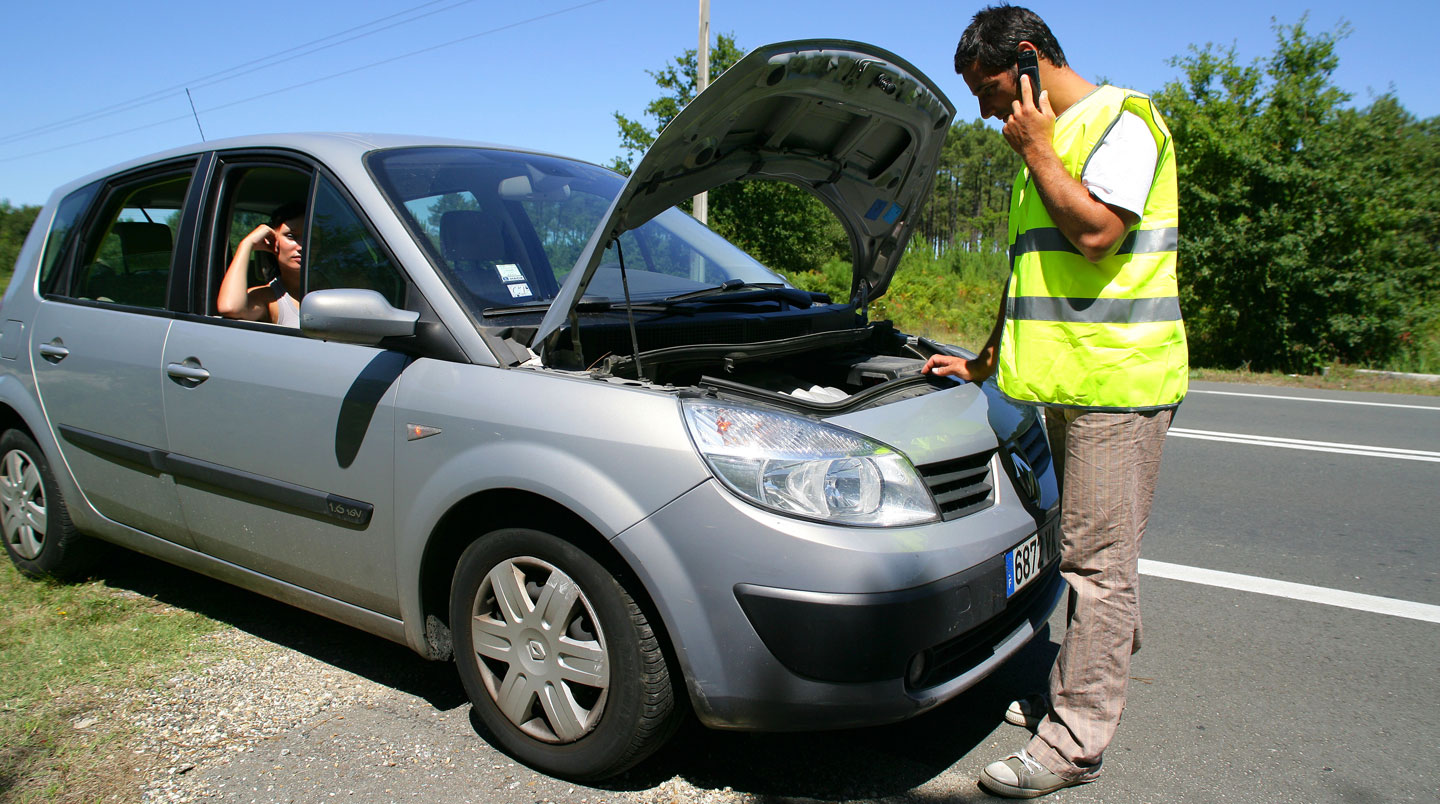
Unplanned downtime carries direct and opportunity costs. The repair itself. Lost rental days. Customer goodwill damaged when a promised vehicle isn’t available. For UK fleets specifically, missed MOT testing schedules add regulatory risk—as confirmed by fleet tax changes confirmed for 2026 that continue tightening compliance requirements.
Maintenance scheduling risks to assess: Vehicles approaching service intervals without automatic alerts. MOT expiry dates tracked in calendars rather than system triggers. Mileage thresholds for brake and tyre checks estimated rather than monitored. Repeat issues on specific vehicles indicating deeper mechanical problems.
Preventive maintenance automation doesn’t eliminate repair costs—but it shifts the timing. Scheduled service during low-demand periods rather than emergency repairs during peak season. That difference can mean thousands of pounds in recovered rental days annually.
Strategic Intelligence: Data-Driven Fleet Composition
The final bottleneck is strategic rather than operational: making fleet composition decisions without granular profitability data. Which vehicle categories generate margin? Which models drain resources through maintenance frequency? Most operators have intuitions. Few have numbers to validate them.
Per-vehicle profitability analysis requires combining revenue data, utilisation rates, maintenance costs, and depreciation. That integration rarely exists in spreadsheet-based operations. Fleet expansion gets guided by manufacturer availability deals rather than performance data from the business itself.
Your fleet bottleneck audit
- Can you identify which depot has the highest idle rate right now?
- How long does your average vehicle check-in take during peak returns?
- What percentage of damage charges get successfully rebilled?
- How many vehicles have upcoming service intervals flagged automatically?
- Can you name your three most profitable vehicles by net margin?
If answering those questions requires pulling data from multiple sources—or guessing entirely—the bottleneck isn’t complexity. It’s visibility. For those planning a rental experience from the customer side, a separate checklist before renting a car covers what to verify. For operators, the audit above points toward where software-driven insight changes the equation.
Common questions on fleet bottlenecks
How quickly can bottlenecks be identified after implementing fleet software?
Most operators see visibility improvements within the first 48 hours of data capture. Location imbalances and utilisation gaps become apparent almost immediately once real-time tracking replaces periodic spreadsheet updates.
What fleet size benefits most from digital bottleneck tracking?
The inflection point typically falls between 30 and 50 vehicles. Below that threshold, manual tracking remains manageable. Above it, multi-location coordination and profitability analysis outpace spreadsheet capacity.
Do digital inspection workflows require new hardware?
Most modern systems run on standard tablets or smartphones. The shift is procedural rather than equipment-heavy—staff capture photos and readings through mobile apps rather than paper forms.
The next step for your operation
Bottlenecks don’t announce themselves. They accumulate quietly until the cumulative drag becomes impossible to ignore. The five visibility gaps outlined here—idle vehicles, check-in delays, unbilled fees, maintenance surprises, and profitability blind spots—represent where most operators discover inefficiency only after revenue has already leaked.
Run the audit checklist against your current operation. Where answers come slowly or require guesswork, that’s where software-driven visibility changes the calculation. The bottlenecks are already there. The question is how long they remain hidden.